



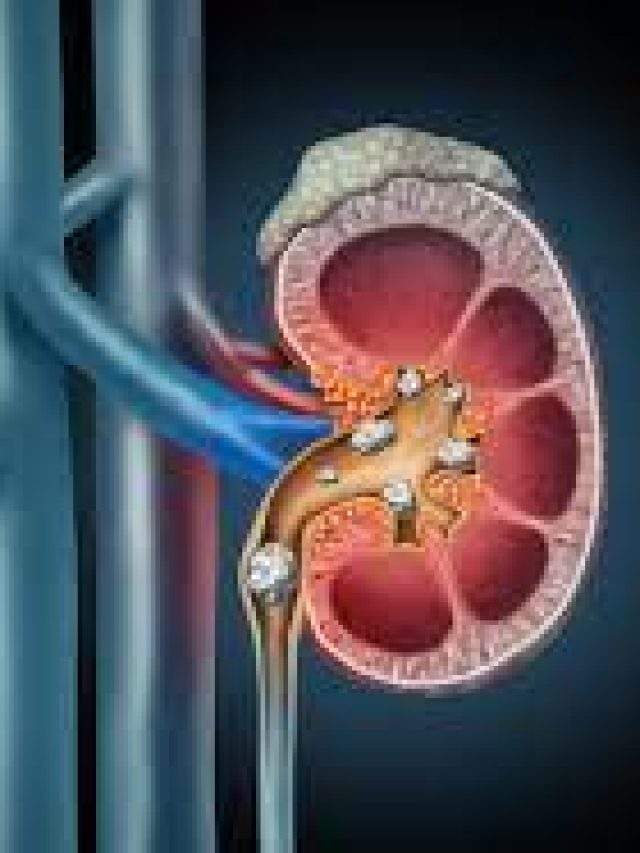
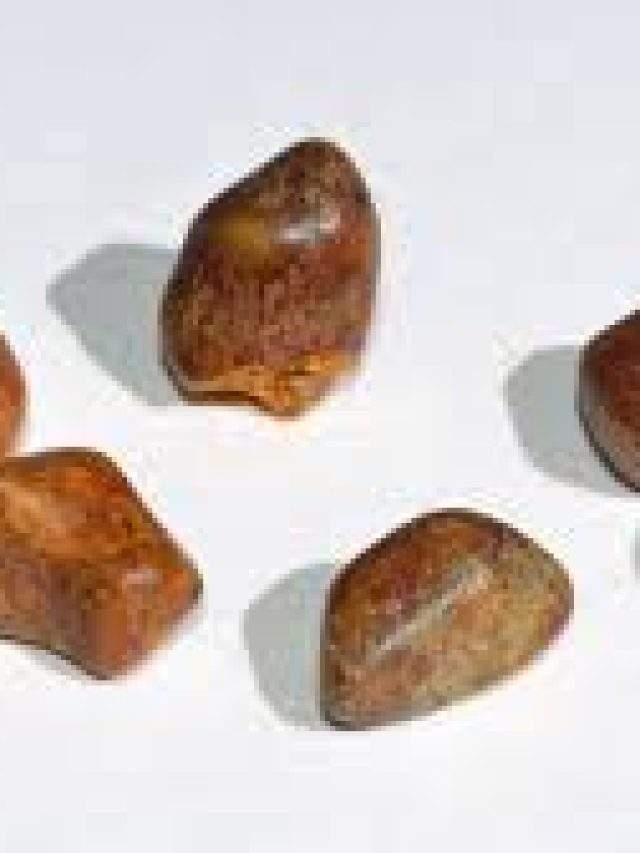
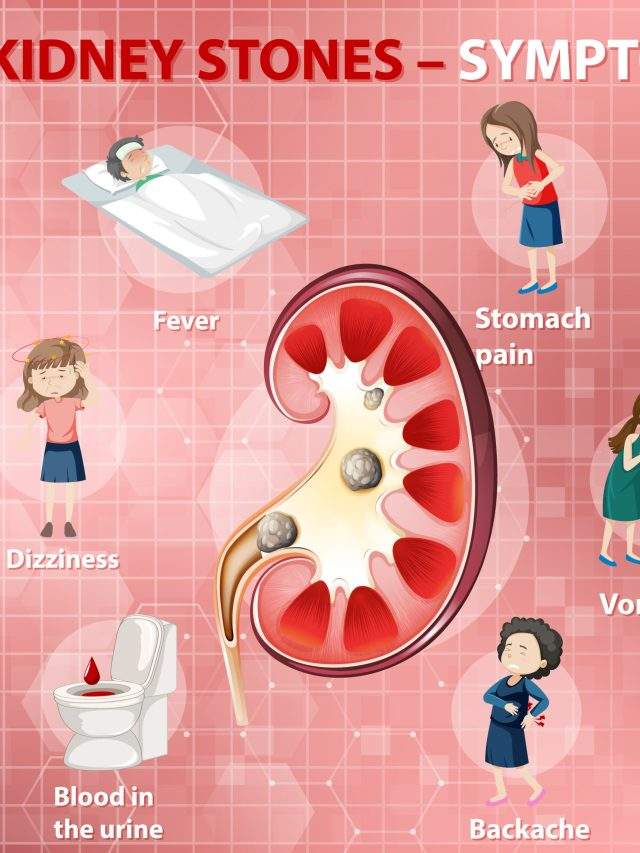

Size is the determining factor telling you how much time does kidney stones take to pass.Small stones pass by on their own in 30 days. Larger stones take much time to pass and need medical support. Kidney stones are the formation of solid masses due to minerals and chemicals that harden in the form of crystals. These minerals and chemicals, such as uric acid, are always present in the body at lower levels. Excess amounts get flushed with the urine. But in some cases, you may have too many of them, which leads to the formation of kidney stones. Some cases of kidney stones don’t have any cause, but certain health factors and lifestyle changes increase the risk of the development of kidney stones. For example:-
- Eating a high amount of proteins
- A lot of vitamin D
- Not taking enough fluids
- Having a metabolic disorder
- Having inflammatory bowel disease
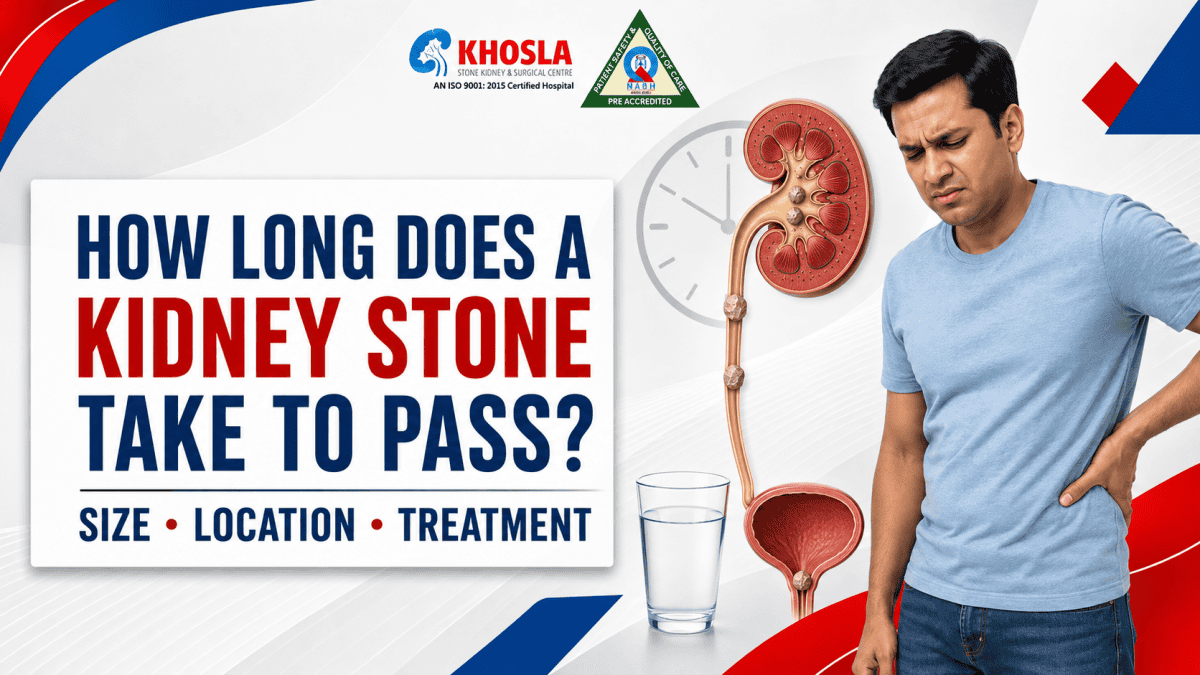
Kidney stones then move to the ureter, the tube that connects the kidney and bladder and allows the urine to flow. Small-sized stones can pass naturally, but large-sized stones may get stuck in the ureter.
Read this blog to learn the factors that determine how long it takes kidney stones to pass.
Factors Are As Follows:-
Size
Size is the major factor that determines whether the stone passes naturally or not. If the stones are smaller than 4mm, then there are 80% chances that they can pass naturally. They take on average 31 days to pass. Large stones greater than 4 to 6 mm need some medical treatment, but 60% can pass naturally within 45 days. Stones that are greater than 6 mm need medical support to remove. There are chances of 20 % chances that they can pass naturally. The stones of this size take years to pass naturally with the medicines.
Location
Along with the size, location is also a factor that makes a difference. Stones that are at the end of the ureter are closer and attach to the bladder rather than to the end attached to the kidney, and are likely to pass by themselves. According to research, 80% of these stones pass naturally by themselves. For the stone at the end of the ureter closer to the kidney, 50 % stones pass without any medical treatment.
Tips To Make The Process Faster
- The best home remedy that helps to pass kidney stones is to take enough fluids, especially citrus juices and plain water. The more fluid causes more to urinate, which helps to pass the stone and prevent its growth. So aim to drink 2 to 3 litres of water per day.
- Small stones get passed on their own. So take the steps that prevent the growth of the stones. This includes having a diet that contains low amounts of salt, protein, and calcium.
- Consult with the doctor who guides you about the proper diet that helps to pass the stones naturally.
- The process of passing the kidney stone is painful. Taking the medicines will not speed up the process, but it helps you to feel comfortable while passing the stone. A heating pad can also give you some help.
- If you have a fever or nausea, then seek medical care on an immediate basis.
- An infected kidney stone requires surgical treatment. If you are noticing the signs of infection, then visit the hospital on a priority basis.
Conclusion
Kidney stones are painful, but they can be treated without medical care. If you think that your body is showing any symptoms of kidney stones, then consult with Dr. Rajesh Khosla to help you decide the best course of treatment. Generally, larger stones take time to pass. You have to wait so that stones pass naturally with time, or the doctor recommends medical treatment such as surgery at Khosla Stone Kidney and Surgical Centre. To reduce the risk of kidney stone formation in future, drink enough water and eat a diet containing low salt. The doctor can suggest the best lifestyle and diet changes to prevent kidney stones.
FAQ’S
What are the tips to speed up the stone passing?
To speed up the stone passing, drink enough fluids and stay active.
What is the sign that kidney stones are close to passing?
When the kidney stones are close to passing, you will feel sharp pain during urination or sometimes blood in your urine.