



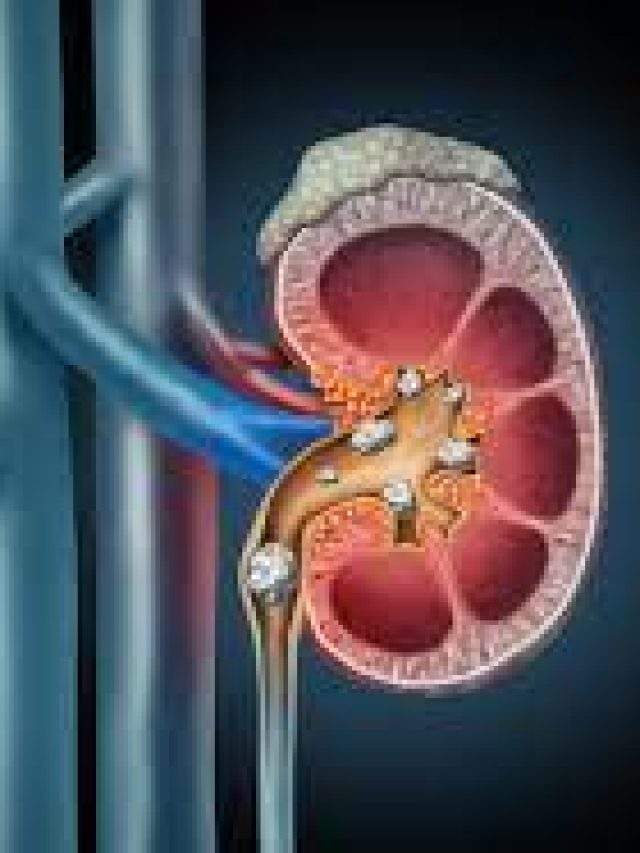
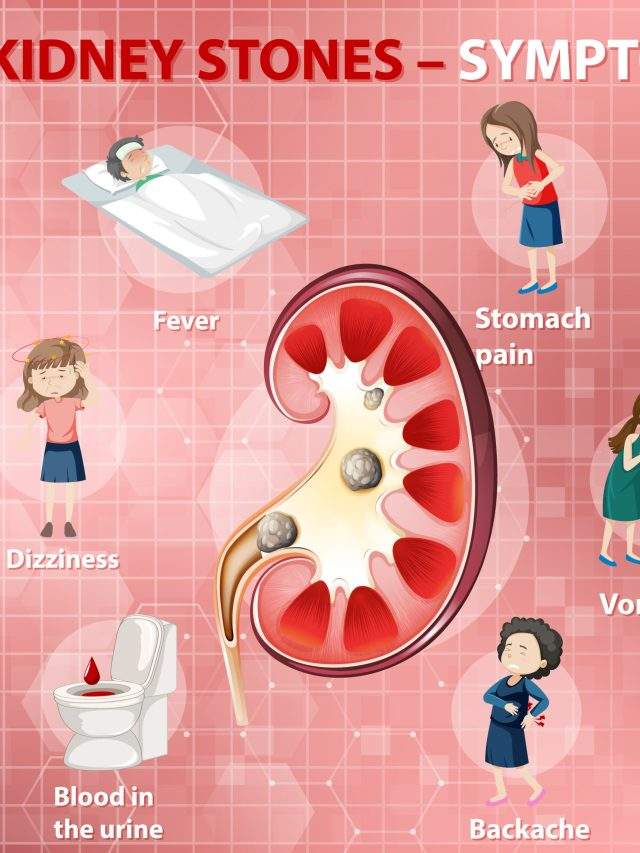
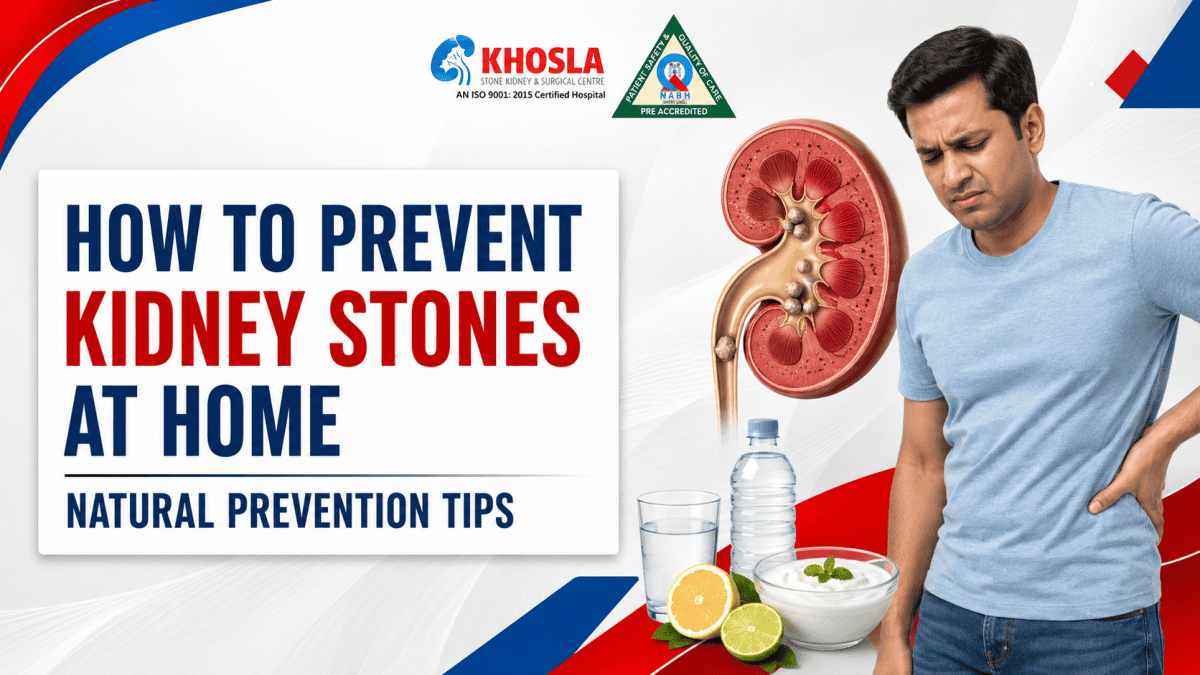

Kidney stones are a common health problem these days. Kidney stones are composed of hard, mineral waste material that builds up in the kidneys and forms crystals. There are four main types of kidney stones, but most of the stones are calcium oxalate stones. Passing kidney stones can be extremely painful, and the bad thing about this is that people who are struggling with kidney stones are more likely to get them again. However, smaller stones may not be that problematic, but the large stones, as they leave your body, can cause a blockage in your urinary system. This can lead to severe pain, vomiting, and bleeding, and if you get kidney stones once, then there are 50% chances you will get another kidney stone within five to ten years. Most stones pass out of your body in your pee on their own, but sometimes you need a procedure to break up the stone or remove it by operation. It can take almost as long as three weeks for kidney stones to pass on their own. Keep reading to know natural ways to reduce the risk of forming another kidney stone.
Stay Hydrated
Generally, it is recommended by doctors to drink plenty of fluids to reduce the formation of kidney stones. Drinking more fluid can help to reduce the risk of kidney stones by diluting the urine as it stops minerals and salts from sticking together, which reduces the risk of forming crystals.
Boost Your Citric Acid Intake
Many vegetables and fruits contain citric acid, mainly citric fruits such as lemons and lime are especially rich in this plant compound. Citric acid may be helpful to prevent calcium oxalate kidney stones by preventing stone formation and preventing stone enlargement. The best way to consume more citric acid is to eat more citric fruits.
Reduce oxalate
Our body produces a significant amount of oxalate, and oxalic acid is also found in many plant foods such as leafy greens, vegetables, and fruits. High amounts of oxalic acid are responsible for excretion in urine, as it can bind to calcium and other minerals, which can lead to stone formation. However, this type of food is healthy enough; it is recommended to limit your food intake before seeking medical advice from health professionals.
Avoid High Doses of Vitamin C
Consuming a high amount of vitamin C supplements can be responsible for getting kidney stones. Consumption of high amounts of vitamin C may increase the excretion of oxalate in the urine. Some vitamin C can convert oxalate within the body; however, vitamin C that we consume from food sources is not associated with increased stone risk.
Get Enough Calcium
A diet high in calcium is responsible for decreasing the risk of forming kidney stones, but some people misunderstood that to decrease the risk of kidney stones, you have to decrease calcium intake. Dairy products such as milk, yoghurt and cheese are good sources of calcium.
Cut Back on Salt
A high intake of sodium and compounds of table salt can also increase excretion in the urine, which is the main factor for kidney stones. It is beneficial to avoid a diet that is high in salt, which is linked to an increased risk of kidney stones. The best way to decrease the sodium is to cut back on processed food.
Increase Magnesium Intake
Magnesium is an important mineral that the human body needs, but many people do not consume it in sufficient amounts. Magnesium is responsible for hundreds of metabolic reactions within your body, including energy production and muscle movements.
Eat Less Animal Protein
A diet that is high in animal protein sources, such as fish and meat, is highly associated with the risk of kidney stones. Consumption of high animal protein can increase calcium excretion and decrease the level of citrate.
Conclusion
Kidney stones are a common health problem due to an unhealthy lifestyle. If you have had kidney stones, then it is more likely that you will get more in the future. To prevent kidney stones, you have to focus on your diet, with changes to the food you eat and sometimes medications can help you reduce the risk of kidney stones. If you have small stones and you want to pass them, then you have to drink plenty of water to help flush them out of the body. Kidney stones can be managed by following a healthy lifestyle and timely treatment. If you are struggling with severe pain, blood and vomiting, then you should visit the best urologist, Khosla Stone Kidney and Surgical Centre. You can consult Dr. Rajesh Khosla, a professional and well-experienced urologist who can provide you with the best treatment according to your health condition.
FAQs
- When should I go to the emergency treatment?
If you are struggling with unbearable pain, go to an emergency treatment; you may be prescribed medication for your pain.
- My kidney stone has not passed. Do I need surgery?
If the stone in the ureter does not pass within a specific time, or causes pain or infection, then you have to remove it with surgery.