



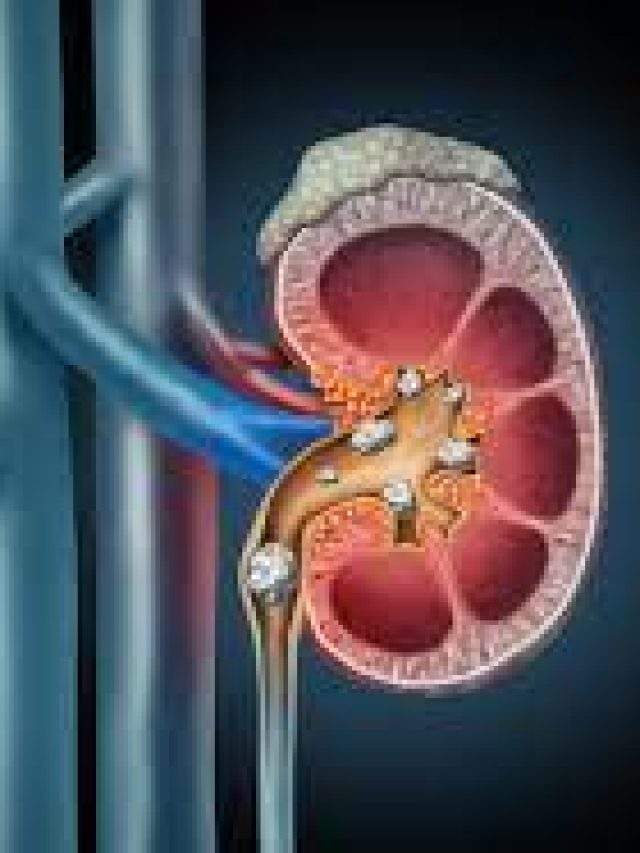
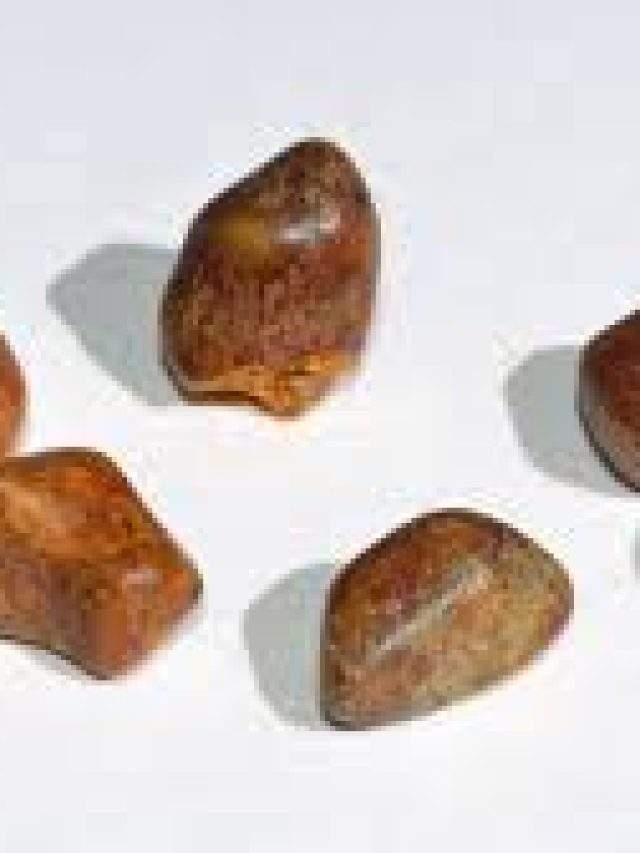

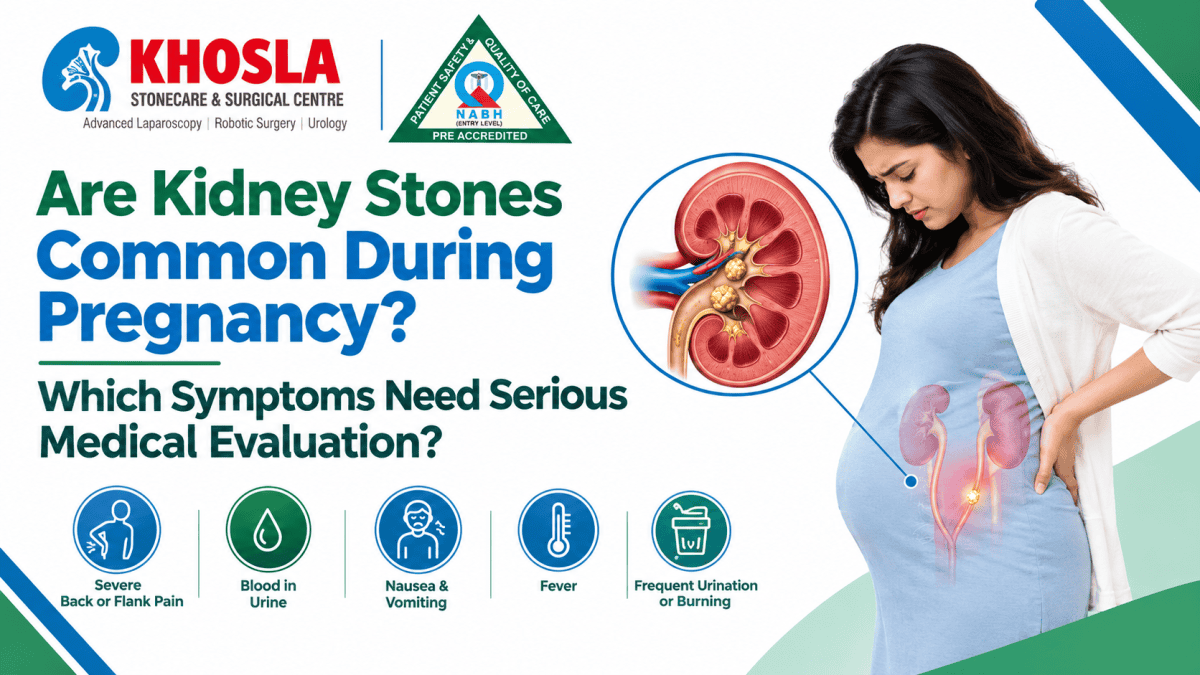

Talking about the cases of kidney stones in pregnancy, it is crucial to understand that kidney stones are rare during pregnancy, occurring in 1 out of every 500 to 3000 pregnancies. The researchers have found that kidney stones occur during the second and third trimesters of pregnancy, impacting maternal and fetal health. During pregnancy, kidney stones can pose a major risk if the specific treatment is not addressed at the right time, resulting in premature labor.
Welcome to this blog post where you’ll be introduced to the specific kidney stones in the pregnancy guide, including the reasons why pregnant women are more at risk, the particular symptoms and how imaging is done before an accurate diagnosis, so continue reading.
Key reasons why pregnant women are more at risk!
- The increased pressure of the baby on the pregnant woman’s bladder can increase their ability to urinate more, resulting in reduced fluid intake among pregnant women, causing dehydration, eventually resulting in stone formation.
- Pregnant women struggle with hormonal fluctuations, with progesterone levels increasing in their bodies, which eventually halt urine flow, causing stone formation.
- Naturally, pregnant women have more calcium in their urine, which can result in calcium-based kidney stones.
- If the pregnant woman has a history of kidney stones in their family before their pregnancy, then it increases their chances as well.
Here are the kidney stone symptoms during pregnancy!
The symptoms of kidney stones during pregnancy can be quite difficult to identify due to the overlapping pregnancy symptoms. Also, due to the increased risk of UTI and other pregnancy complications, it might become difficult to determine the presence of kidney stones.
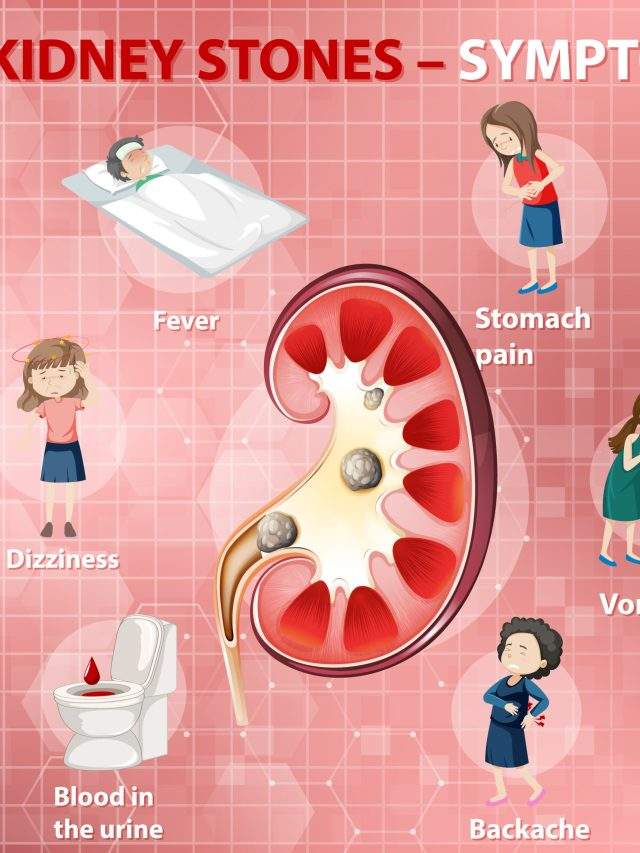
- Burning and sharp pain in the side of the abdomen, along with the back and lower abdomen.
- Experiencing nausea and vomiting and noticing blood in the urine.
- Feeling an increased urge to urinate and increased urinary frequency, causing discomfort throughout the entire day.
- Experiencing fever and chills, which might indicate the presence of infection during pregnancy.
Since the symptoms of kidney stones during pregnancy remain the same as in the general population, as mentioned above, it is crucial to be more aware during pregnancy, as other pregnancy complications and infection risk might overlap with such symptoms.
The step-by-step imaging process for kidney stones during pregnancy!
The diagnosis of kidney stones during pregnancy is entirely based on the inclusion of step-by-step imaging tests, done with the aim of identifying the exact size, location and shape of the kidney stones.
- Ultrasound technology
Since it is about the safety of both mother and baby, ultrasound is done first to identify the presence of stones with the help of sound waves. This process includes no radiation; therefore, it is quite the safest option to diagnose kidney stones during pregnancy. The ureters and bladder are examined to thoroughly check the urine flow.
- Magnetic-resonance Urography
This imaging test is approached if the ultrasound results are not conclusive and there’s still confusion regarding stone presence. This process includes the use of radio and magnetic waves, eventually providing an image of the uterus, bladder, kidney and urethra for proper diagnosis.
- Low-dose computed tomography (CT scan)
Again, if the results are still not clear with other imaging tests, then this approach is followed, including X-rays to create images. Since this involves radiation, it is only implemented last when results are still not clear. Also, it can be done during the second or third trimester, rather than the first trimester of pregnancy.
The Final Comments!
Summing up the above-mentioned points, you might have understood how pregnant women are at higher risk of developing kidney stones and show specific symptoms that must be evaluated for further procedures. Also, the step-by-step imaging testing is done only to preserve the baby’s and mother’s health and let her conceive safely. Now the question arises: how professionals treat kidney stones during pregnancy. The answer is quite simple; at first, the pain is managed with medications and dietary changes. However, if the condition is not complex, then they will wait until delivery; meanwhile, if the condition is severe, then further procedures can be done only during pregnancy.
If you have been seeking out professional help in managing kidney stones during pregnancy, then here we are! The experts at Khosla Stone Kidney and Surgical Centre provide effective solutions for your urological problems. Meet our expert, Dr. Rajesh Khosla, an expert in handling kidney stones in pregnancy in Ludhiana, and providing an aftercare guide for stone prevention as well. Even if you have specific kidney stone questions during pregnancy, we are here to help you out. Schedule your appointment now for kidney stone removal!
FAQs
- Do kidney stones pass naturally during pregnancy or not?
Yes, if the kidney stones are small and not too complicated, then they can pass naturally during pregnancy.
- Which treatment procedures are used for kidney stones in pregnancy?
Firstly, professionals make sure to provide you with specific medications for pain reduction; afterwards, they may consider ureteroscopy, a stent, or a nephrostomy tube.
- Is it safe to undergo ureteroscopy during pregnancy?
Yes, it is quite the safest option when other methods of managing kidney stones fail in order to remove or break the stones.
- Will my next trimester get affected after stone removal treatment?
Generally, your next trimester would not be affected after stone removal treatment, especially if ureteroscopy is followed.
- Is it possible to manage kidney stones with medications only during pregnancy?
Yes, it is possible to manage kidney stones during pregnancy with medications, if you remain consistent.