



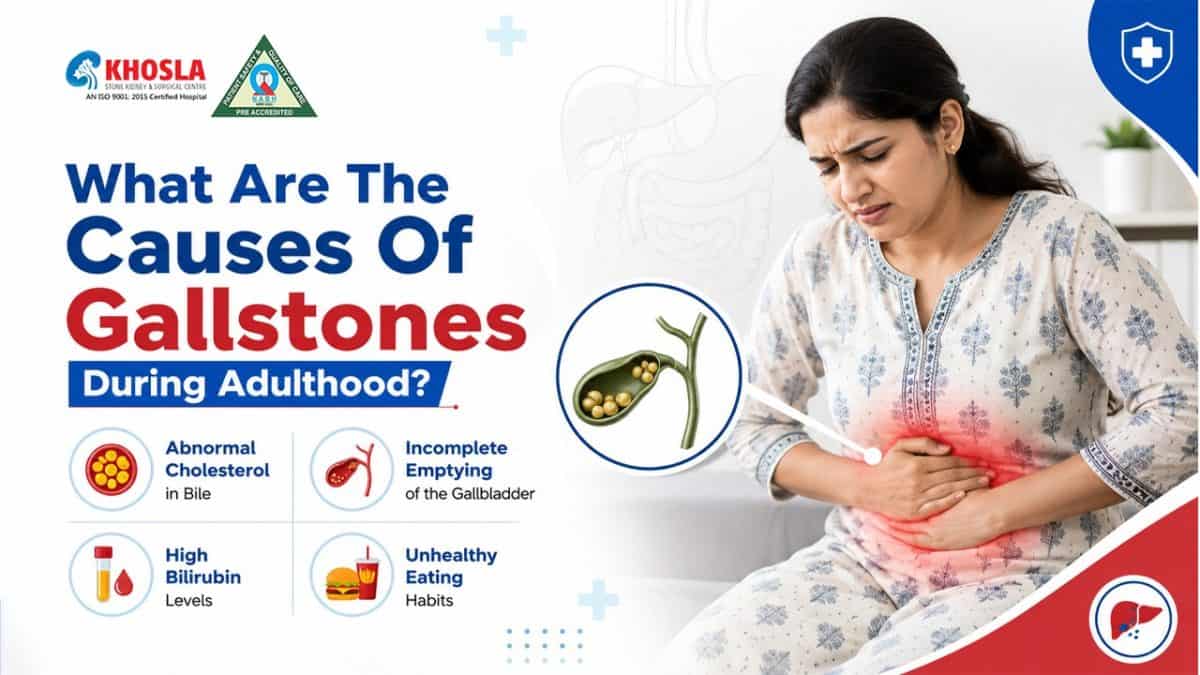

Common digestive conditions that affect adults. Gallstones are solid materials that have formed and clumped together over time, and they are formed in the gallbladder. They are pear-shaped organs located under the liver that store bile. Generally, gallstones cause pain, inflammation, and infections, which require medical attention. Gallstones are caused by being both overweight and underweight, unhealthy eating habits, incomplete emptying of the gallbladder, abnormal cholesterol in bile and high levels of bilirubin. This blog will help you understand the main causes of gallstones during adulthood.
Abnormal cholesterol in bile
When the liver produces more cholesterol than the bile can dissolve, the excessive cholesterol builds up and forms crystals that regularly grow into gallstones. In a healthy gallbladder, your bile is balanced with a mixture of water, bile salts and cholesterol; for cholesterol to dissolve in water, it needs support from bile salts and phospholipids to cover it and keep it suspended as a liquid. Abnormally, it reaches a point where the liver dumps a large amount of cholesterol in the gallbladder, which results in the formation of gallstones.
Incomplete emptying of the gallbladder
A healthy gallbladder contracts regularly to release bile during digestion. If the gallbladder is not functioning properly, the bile becomes concentrated, increasing the chances of stone formation. Instead of flushing completely after eating, the gallbladder leaves behind a stuck pool of bile. This breakdown system is a dangerous trigger for digestive tissues and stone formation. Floating cholesterol that would generally be washed down in the small intestines is locked in, and they settle at the bottom of the organ, crashing and building into solid stones.
High levels of Bilirubin
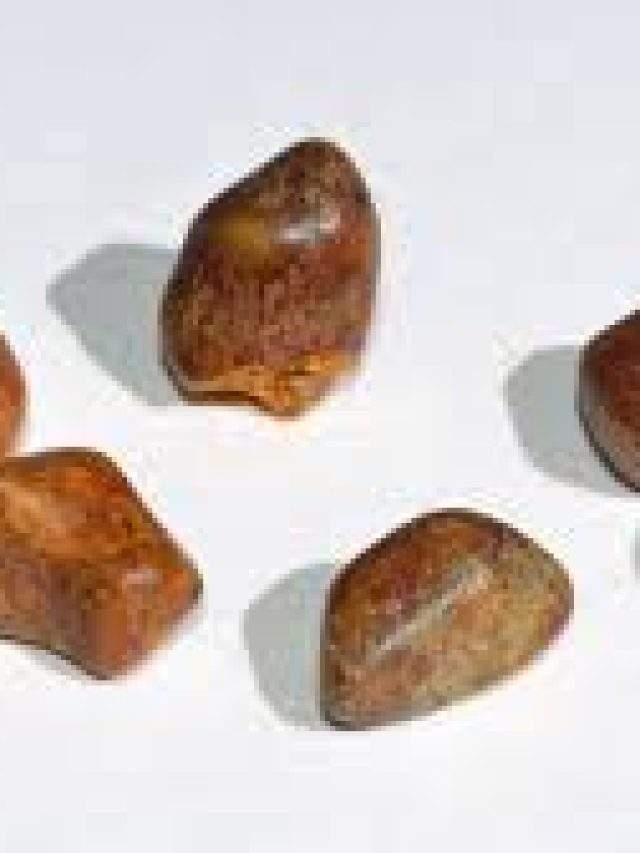
Bilirubin refers to a yellow pigment produced when red blood cells break down. High levels of bilirubin create an unevenness that causes pigment gallstones, which are dark brown stones made of calcium salts and bilirubin. Some medical conditions, such as liver diseases, infections and blood disorders, increase the bilirubin levels, leading to the formation of gallstones. When there is too much bilirubin in the bile, it can not dissolve; the extra bilirubin sticks together and hardens over time, finally growing into solid pigment gallstones.
Unhealthy eating habits
A diet that is rich in fats, refined carbohydrates, and processed foods can increase the risk of gallstones and affect the chemical balance of your bile. When you skip a meal, your gallbladder can not give a signal to contract and empty its bile. The inactive gallbladder sits inside the organ, becomes highly concentrated, and eventually breaks down into stones. Losing weight in a short period of time due to low levels of calories forces the liver to release a large amount of extra cholesterol in the bile. A shortage of dietary fats prevents the gallbladder from emptying properly.
Conclusion
Gallstones are a common condition in adulthood because they take years of consuming low-fibre diets, carrying excessive body weight and undergoing rapid weight loss to catch up with body structure. Some gallstones are painless; others go to the extent of causing discomfort and massive complications. Maintain a good lifestyle, eating a nutritious diet and seeking medical guidance as soon as the symptoms show up to avoid serious complications. Khosla Stone Kidney and Surgical Centre offers exceptional care, diagnostic treatment, and follow-up services to ensure that patients recover properly and receive a personalized treatment plan based on the patient’s symptoms, overall well-being and location of the gallstones. Dr Rajesh Khosla provides a wide range of services, diagnoses, treatments, and gives physical examinations to accurately diagnose gallstones and related gallbladder conditions.
FAQ’s
- How do I know if I have developed gallstones?
When the gallstones block the flow of bile and irritate the gallbladder, it can result in vomiting after eating fatty foods.
- Can weight loss cause gallstones?
When you lose too much weight, your liver releases large amounts of extra cholesterol into bile, and your gallbladder may not empty as often as it should. These changes result in cholesterol crystallising into gallstones.