


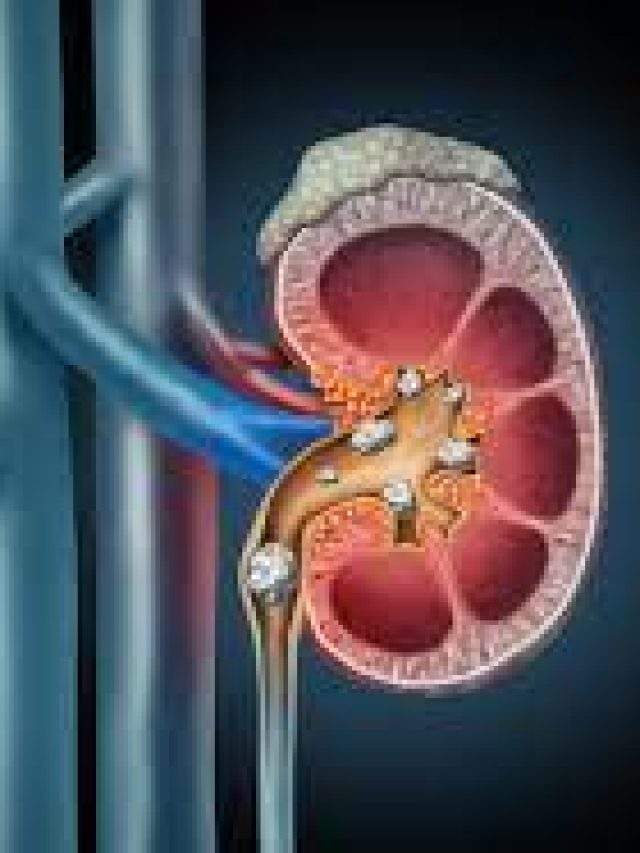
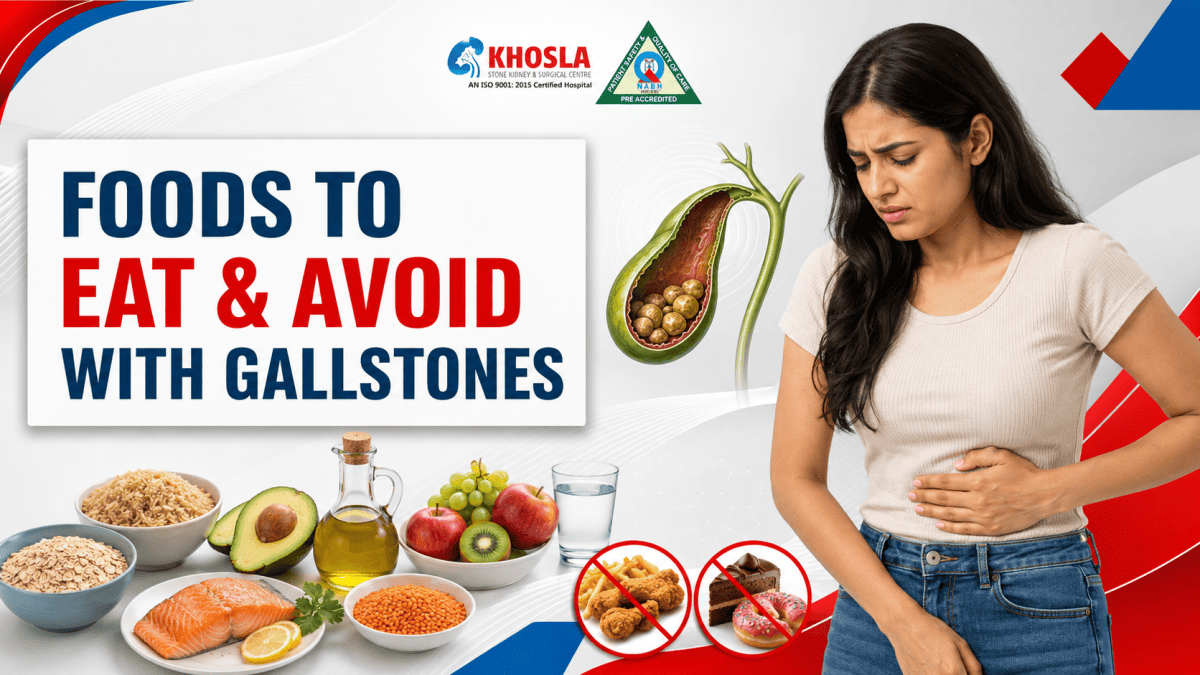

The food an individual eats greatly affects the gallbladder; lean proteins, healthy fats, and plant-based foods are good for the gallbladder, whilst the deep fatty foods, sugary and refined foods cause painful cramping and an increase in the formation of gallstones. These stones form when the bile secretion hardens and when the gallbladder is not completely emptied, causing a high concentration of bile, which becomes hard. The presence of bile causes abdominal pain, damages the intestines and disrupts digestion; as such, proper treatment is required urgently to prevent complications as well as prevent progression of the stones. While undergoing treatment, it is important to be cautious of the diet, which has an impact on the healing process, and this blog outlines the foods that are favourable for the gallbladder and what to avoid.
Foods to eat when dealing with gallbladder stones
High fiber foods
Fiber is a necessary nutrient in the digestive system in various ways. It helps with bowel movement, feeds the gut with good bacteria, adds bulk to the stool and feeds good bacteria to the gut, which in turn prevents gall formations. The patient is expected to incorporate foods like fresh fruits, barley, oats, brown rice and whole grains in their diet.
Healthy fats
Not all fat is dangerous; there are healthy fats found in avocado, olives or fatty fish, which are important for the body. It is needed because it triggers the bladder to empty regularly. Regular emptying ensures that bile keeps on moving to prevent stagnation of sludge that causes the formation of more stones.
Lean proteins
Incorporating lean proteins is required in the daily diet. One can involve foods like turkey, skinless chicken, lentils, chile peppers, tofu and legumes, which are good, especially when dealing with gallbladder stones, because these are easy to digest, which prevents pain when pushing out bile and lowers bad cholesterol.
Plant-based foods
Incorporating a plant-based diet offers a high chance of eliminating gallbladder stones. This is because plant-based food has substances that promote good digestion, they have low-based healthy fat, and they help with the regulation of cholesterol, which is what is needed to treat gallbladderstones. The patient would need to have fruits, legumes, lentils and Whole grains.
Water
Fluid is very important in the bile. Remaining hydrated is important because it is needed to keep the bile in a fluid state, which prevents the formation of stones. An individual is advised to drink at least 8 to 10 glasses of water per day.
Foods to avoid
Fatty and fried foods: These fatty foods cause the gallbladder to secrete bile, which triggers heavy contractions in the muscles. The presence of gallstones causes blockage in the intestines and leads to a buildup of pressure that causes cramping.
Sugary and refined foods: Incorporating sugary and refined foods triggers sugar level spikes as well as cholesterol levels, which leads to the secretion of bile and increases the risks of gallstone formations and enlargement.
Red and processed meats: These meats have high levels of saturated fat and cholesterol. As a result, the gallbladder is forced to work harder to excrete bile and cause more contractions that cause pain along with the gallstones.
Conclusion
The right food in the body helps the gallbladder from working overtime and ensures easy digestion of food, whilst the wrong food consequently increases the formation of gallstones and leads to chronic abdominal pain, which is why being cautious of the diet is an important aspect in promoting healing of the body and restoring the normal functionality of the gallbladder. Dr. Rajesh Khosla, an experienced expert in Laparoscopic treatment at Khosla Stone Kidney And Surgical Centre, provides exceptional health services for people to experience a healthy digestive system.
FAQ’s
When is it required to undergo surgery for gallstone treatment?
Surgery is mainly required when the level of severity is complicated, and the nonsurgical treatments are not effective.
How big can gallstones grow, and what are the complications?
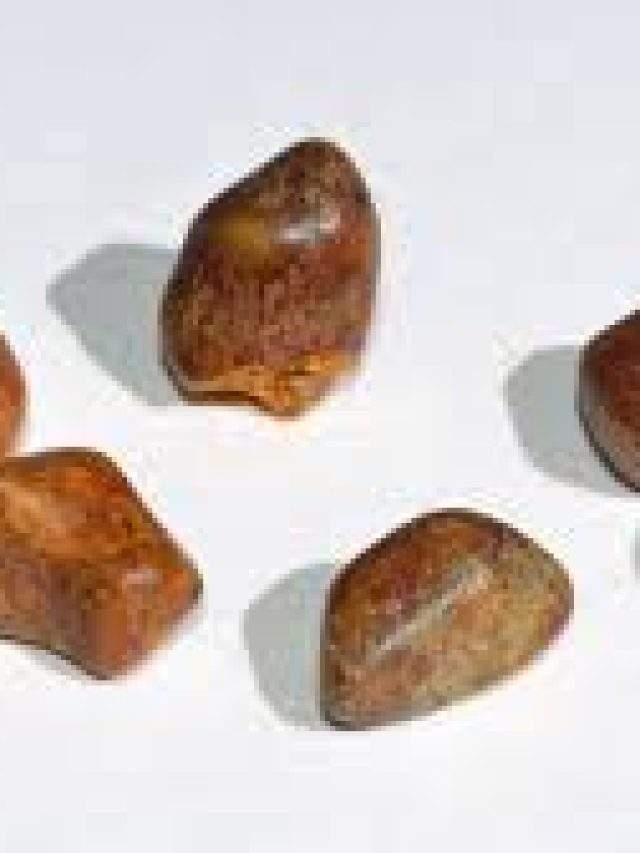
The gallstones can be as small as sandstones, but with time grow to the size of a golf ball.