

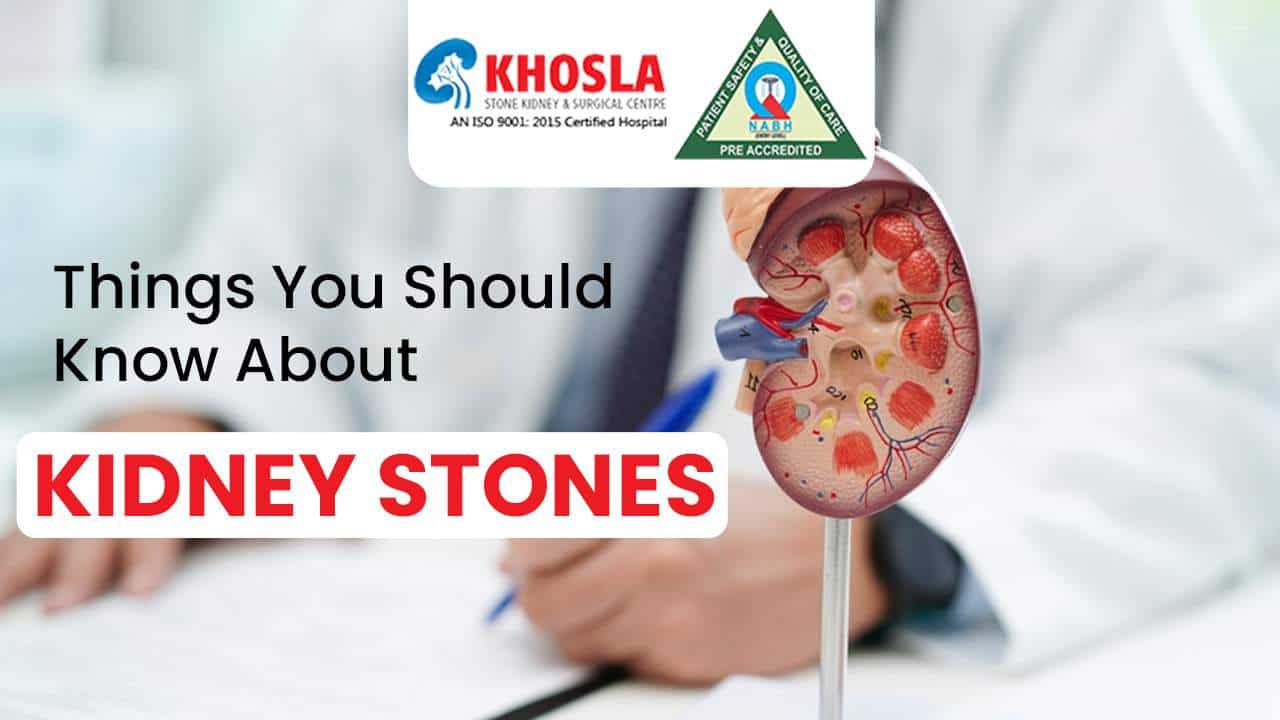
Things You Should Know About Kidney Stones
- Developing kidney stones is very common. Nearly 1.7%-14.8% of people all around the world are diagnosed with kidney stones.
- The formation of kidney stones can range in various sizes. It can be as tiny as a grain of sand and as big as the size of a golf ball. These stones are small hard deposits of salts and other minerals that form due to the increased concentration of urine. The concentrated urine lets the minerals and salts crystallise inside your kidney, turning it into stones over time.
- Most of the time, the pain occurs due to kidney stones. The stones usually form and stay inside the kidney, resulting in little or no symptoms at all. However, sometimes, these stones can move through your urinary tract and down into the ureter, causing immense pain. In some cases, people are able to pass the stones without any surgical treatments; however, if the condition is critical, a gallbladder removal surgery in Ludhiana may be required.
- Kidney stones have four common types that include Calcium stones, uric acid stones, struvite stones and cystine stones. The most frequently occurring type of kidney stones are calcium stones that are formed due to excessive consumption of salt, low urine citrate, high urine oxalate and several other metabolic anomalies. Uric acid stones are generally caused by animal protein and are usually identified in people with gout and inflammatory bowel disease. Struvite stones are formed due to bacteria and recurring urinary tract infections. Cystine stones are caused by a genetic disease that is very rare to take place and is known as cystinuria.
- Kidney stones are very common. However, some people have more risk of developing them. The risk factors for kidney stones include a history of a family with kidney stones, dehydration, obesity and diet.
- The stones that are smaller in size can cause minor symptoms and slight pain. However, a kidney that is medium or large may result in getting an emergency medical treatment. It causes a huge amount of pain on your side or back and can extend to your abdomen and the groyne area.
- The task of passing a kidney stone is not an easy one. People who have small-sized kidney stones may require the intake of several pain-relieving medications as well as high amounts of fluid consumption to pass the stones. They would require assistance from the best Urologist in ludhiana to manage the condition.
- In order to prevent kidney stone formation, one needs to keep themselves hydrated. Low intake of salt, moderate intake of calcium and limited consumption of animal protein may also be required for the prevention of stones. In addition to this, one also needs to refrain from oxalate-rich foods such as spinach, mustard, kale, and collard greens, along with nuts, chocolate, strawberries, rhubarb and tea. An increase in the consumption of potassium-rich citrus food such as lemons, oranges and grapefruits may be beneficial both in the form of whole fruit or juice.