

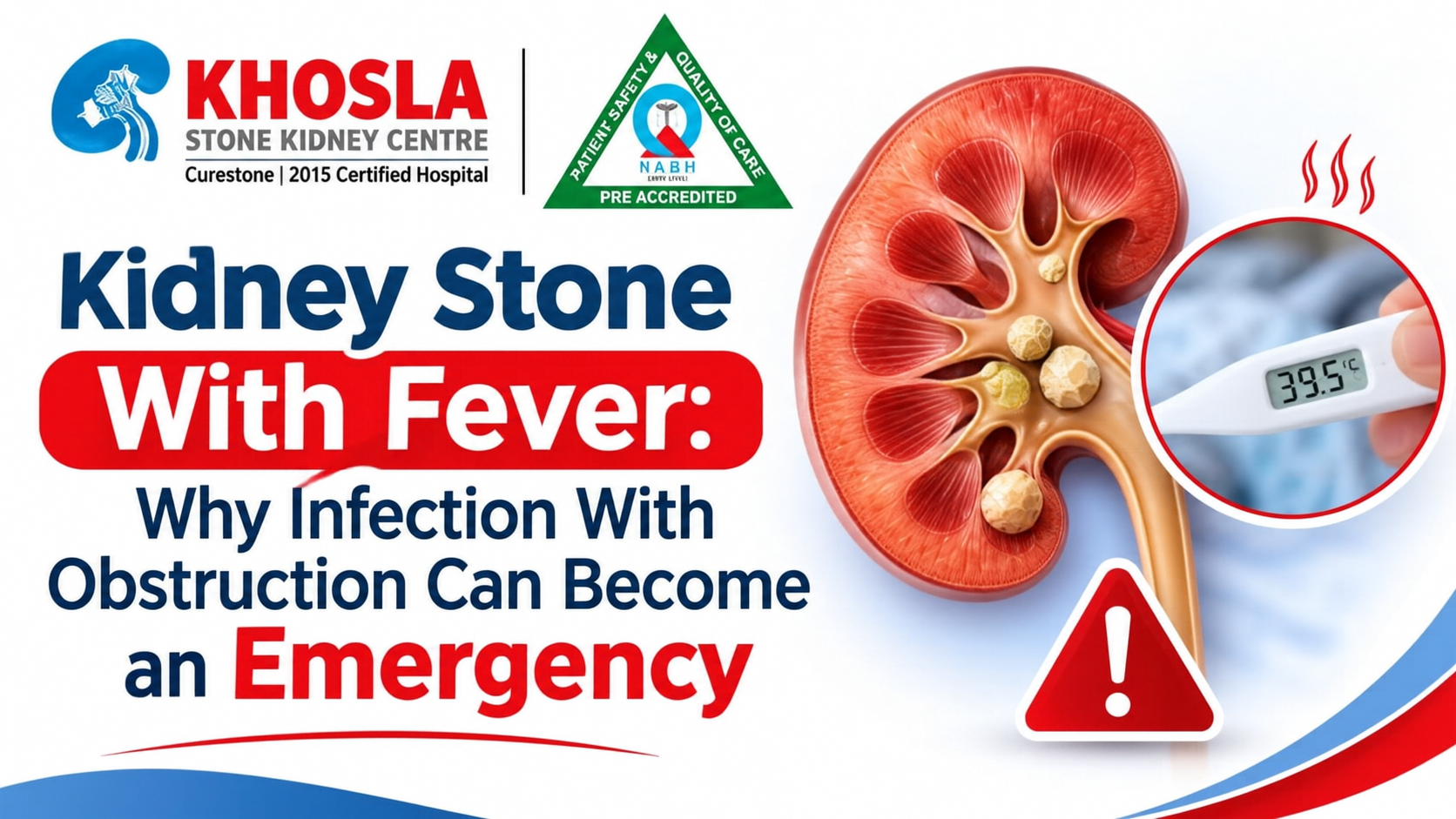
Feeling feverish and thinking it may be because of kidney stones? You may be right because there is a chance that kidney stones can cause fevers and chills. This can happen due to infection, particularly when a urinary tract infection or kidney infection develops in your body. Now you may be thinking, what is the reason behind the infection? The answer is that when kidney stones block the urine flow, they can cause a dangerous infection.
If you are experiencing kidney stones with fever, seeking emergency care is the first step you should take rather than waiting for the symptoms to improve. Kidney stones are solid mineral formations that can form in the kidneys and cause unbearable pain in the back, side and lower abdomen. Some small stones can be passed without any pain, but large stones can get stuck in the urinary tract and need medical help. Fever is a warning sign of kidney stones that should not be ignored, and stones do not always cause infection; however, it happens when a stone is stuck in the ureter.
The ureter is the tube that carries urine from the kidney to the bladder, and due to stones, urine may be trapped, which can create conditions in which bacteria can grow. If an infection blocks the urinary tract, it can become a serious problem and may lead to life-threatening conditions if not treated in a timely manner. Keep reading this blog to understand the connection between kidney stones and fever, which can help determine the warning signs, timely treatment, and reduce the risk of life-threatening conditions.
What Are The Common Symptoms Associated With Kidney Stones And Fever?
Fever or high body temperature
Chills, shivering or sweating
Sharp pain in the back or side
Pain or burning sensation while urinating
Cloudy-smelling urine
Nausea and vomiting
Frequent or urgent urination
Difficulty passing urine or passing only a small amount.
However, because of these symptoms alone, you cannot determine whether you have kidney stones; therefore, a medical examination is necessary to determine the cause.
Why Do Kidney Stones Cause Fever?
Fever linked with kidney stones may be a sign of infection or other health complications, and three important possibilities are given below:
Kidney Infection
Kidney infection may occur when one or both kidneys are infected by bacteria, and it can cause many health problems such as fever, chills and painful urination. Kidney stones may also increase the risk of complications, especially when they block the flow of urine. Therefore, if you observe these symptoms, you may need urgent medical treatment.
Urinary Tract Infection
A urinary tract infection may occur when bacteria enter any part of the urinary system, often in the bladder or urethra. Infection can cause burning while urinating, frequent urination and abdominal discomfort depending on the location of the infection. Sometimes a urinary tract infection occurs alongside a kidney stone; then doctors may need to determine whether the stone is blocking urine flow or infection has spread to the kidneys.
Urinary Tract Blockage
Large kidney stones can get stuck in the pathway of the ureter and block the urine from draining normally. In this condition, a patient experiences severe pain and can also have impaired kidney function. If an infection develops behind the blockage, then the situation may become an emergency. To treat this problem, antibiotics and urgent procedures are required to drain the infected urinary system.
Symptoms That May Be Caused By Kidney Stone Infection You Should Not Ignore:
Fever with kidney stone pain.
Fever along with chills and shaking
Unbearable pain in the back or sides
Persistent vomiting or inability to keep fluids down
Feeling weak and unwell
If you experience fainting or difficulty breathing, this may indicate a severe illness, and you need an emergency medical emergency.
Conclusion
In cases where someone experiences kidney stones accompanied by fever, it may be due to a urinary tract infection or kidney stone infection. Symptoms such as vomiting, fever and difficulty urinating should be treated as warning signs and may require emergency medical care.
Therefore, an infected kidney stone that can block the flow of urine can cause some serious complications, including life-threatening conditions and kidney damage. Early diagnosis is recommended, as it helps doctors examine the cause of the infection and relieve any obstruction. After diagnosing the actual cause, it allows doctors to determine the safest treatment possible.
If you are confused but you suspect a fever associated with kidney stones, then do not wait for specific symptoms, and you must seek medical help. You can book an appointment with Khosla Stone Kidney & Surgical Centre, under the famous and experienced Dr. Rajesh Khosla, who delivers North India’s most advanced stitchless laser treatment with a 100W holmium laser.